
Understanding Credit Scores: Key Factors That Shape Your Financial Future
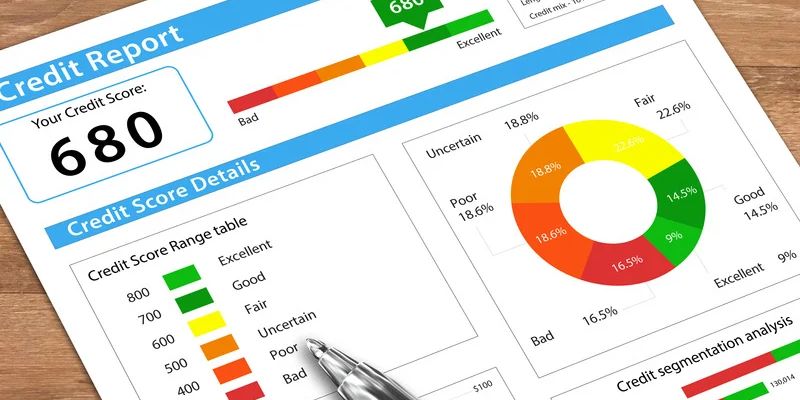
Your credit score is more than just a three-digit number. It represents how you have managed financial responsibilities and can influence your ability to access loans, credit cards, financing, and other financial opportunities. Whether you are planning to purchase a home, apply for a personal loan, or expand your company, understanding how credit scores work can help you make smarter financial decisions.
Many individuals focus on improving their credit only when they need financing. However, building and maintaining a healthy credit profile should be an ongoing financial priority. The same principle applies to business owners who want to establish financial credibility and qualify for better business financing opportunities.
Understanding the factors that influence your credit score is the first step toward developing a stronger financial foundation. From payment history and credit utilization to account age and new credit applications, several elements contribute to how credit scoring systems evaluate your financial behavior.
At Rising Star Credit, we believe that financial improvement begins with education, awareness, and a personalized approach to credit restoration. Learning how credit works can help you identify potential problems, address inaccurate information, and develop better financial habits for the future.
What Is a Credit Score and Why Does It Matter?
A credit score is a numerical representation of your creditworthiness. Financial institutions use credit scoring models to estimate how likely you are to repay borrowed money based on information contained in your credit reports.
In the United States, many widely used consumer credit scores fall within a range of 300 to 850. Generally, a higher score indicates a stronger history of managing credit, while a lower score may suggest a greater lending risk.
Your credit score can influence several important financial decisions, including:
Loan Approvals: Lenders may review your credit score when deciding whether to approve personal loans, mortgages, or auto financing.
Interest Rates: A stronger credit profile may help you qualify for more favorable borrowing terms.
Credit Card Opportunities: Credit scores can influence the types of credit cards and credit limits available to you.
Rental Applications: Some landlords review credit information when evaluating prospective tenants.
Financial Flexibility: Maintaining a healthy credit profile can provide more options when unexpected expenses or major purchases arise.
It is important to understand that you do not have just one universal credit score. Different scoring models, reporting agencies, and lender requirements can produce different scores.
Who Calculates Your Credit Score?
Credit reporting agencies collect financial information from lenders, creditors, and other reporting sources. The three major consumer credit bureaus in the United States are:
1. Experian
Experian collects information about credit accounts, payment behavior, outstanding balances, and other financial activities. This information becomes part of your consumer credit report.
2. Equifax
Equifax maintains consumer credit information that lenders may use when reviewing applications and evaluating financial risk.
3. TransUnion
TransUnion also collects and maintains credit information, helping lenders assess an individual's borrowing and repayment history.
These agencies maintain credit reports, but credit scoring companies use mathematical formulas to calculate scores from the information available in those reports.
Two widely recognized scoring systems are FICO and VantageScore. Although both evaluate similar credit-related information, they may weigh certain factors differently.
As a result, your credit score may vary depending on which bureau and scoring model a lender uses.
Five Major Factors That Influence Your Personal Credit Score
Understanding the main components of credit scoring can help you identify which areas deserve attention.
FICO identifies five primary categories that influence many of its consumer credit scores. The percentages below are general guidelines for a typical FICO Score and are not universal percentages for every scoring model.
1. Payment History – Approximately 35%
Payment history is generally the most influential factor in a traditional FICO Score. It reflects whether you consistently make payments on time.
Lenders want to see evidence that you can manage financial obligations responsibly. Even a few missed payments can negatively affect your credit profile.
Payment history may include:
Credit card payments
Personal loan payments
Auto loan payments
Mortgage payments
Other reported credit obligations
Late payments, collection accounts, charge-offs, and certain other negative entries can affect your creditworthiness.
How to Improve It:
Start by reviewing your payment history across all credit accounts. Set up automatic payments or calendar reminders to avoid missing due dates. If you have overdue accounts, focus on bringing them current and maintaining consistent payments.
If your credit report contains a late payment that you believe is inaccurate, you have the right to dispute the information with the relevant credit bureau and the company that furnished it.
2. Amounts Owed and Credit Utilization – Approximately 30%
The amount of debt you carry is another important component of your credit score.
Credit utilization measures how much revolving credit you are using compared with your available credit limits.
For example, suppose your credit card has a $10,000 limit and your outstanding balance is $3,000. Your utilization rate is 30%.
A high utilization rate may indicate that you are relying heavily on available credit, which can negatively affect your score.
How to Improve It:
Consider these practical strategies:
Pay down outstanding credit card balances.
Avoid consistently using most of your available credit.
Monitor your balances throughout the month.
Avoid unnecessary purchases on credit cards.
Consider keeping revolving balances low relative to your limits.
Many financial experts recommend keeping credit utilization below 30%, although lower utilization may be beneficial. You do not need to carry a balance or pay interest to build a positive credit history.
3. Length of Credit History – Approximately 15%
The length of your credit history shows how long you have been managing credit accounts.
Scoring models may consider the age of your oldest account, the age of your newest account, and the average age of your accounts.
A longer history of responsible credit management can demonstrate financial consistency.
For example, someone who has maintained credit accounts responsibly for several years may have a more established credit history than someone who recently opened their first credit card.
How to Improve It:
Maintain older accounts when they make financial sense.
Avoid opening multiple accounts unnecessarily.
Continue making payments on existing accounts.
Be thoughtful before closing older credit cards.
Remember that closing an account does not automatically erase its positive payment history from your credit report. However, it can affect your available revolving credit and utilization.
4. New Credit Applications – Approximately 10%
Applying for several new credit accounts within a short period can influence your credit score.
When you apply for credit, lenders may request a copy of your credit report. This can result in a hard inquiry, which may temporarily lower your score.
Multiple applications can also make lenders question whether you are taking on more debt than you can comfortably manage.
How to Improve It:
Apply for credit only when necessary.
Research eligibility requirements before submitting applications.
Avoid opening multiple accounts within a short period.
Review your existing financial obligations before borrowing more.
When shopping for certain loans, such as mortgages or auto loans, qualifying scoring models may treat multiple inquiries within a specified rate-shopping period as a single inquiry. The applicable period depends on the scoring model.
5. Credit Mix – Approximately 10%
Credit mix refers to the different types of credit accounts included in your credit history.
These may include:
Revolving credit cards
Auto loans
Mortgage accounts
Personal installment loans
Having experience managing different credit types may contribute positively to certain scoring models.
However, opening accounts simply to create a broader credit mix is not a recommended strategy. Responsible payment behavior and manageable debt are more important than obtaining credit you do not need.
What Is Credit Repair and How Can It Help?
Credit repair involves reviewing your credit reports, identifying potentially inaccurate or unverifiable information, and taking appropriate steps to correct reporting errors.
Over time, financial difficulties, reporting mistakes, identity theft, or outdated account information can create problems in a credit profile.
Some consumers discover accounts they do not recognize, incorrect payment statuses, duplicate collection entries, or balances that do not match their records.
This is where professional Credit Repair assistance may be helpful.
A credit restoration process generally involves several important steps.
Step 1: Review Your Credit Reports
The first step is obtaining and reviewing your credit reports from Experian, Equifax, and TransUnion.
Carefully examine your accounts, payment history, outstanding balances, collections, inquiries, and public records.
The purpose is to understand what information is being reported and identify anything that may be incorrect.
Step 2: Identify Inaccurate or Questionable Information
Look for potential reporting errors, including:
Accounts that do not belong to you.
Incorrect late payment information.
Duplicate collection accounts.
Incorrect account balances.
Accounts with inaccurate dates.
Information that should no longer appear under applicable reporting rules.
Not every negative entry is inaccurate. Legitimate negative information cannot be removed simply because it lowers your credit score.
Step 3: Dispute Information When Appropriate
If you identify inaccurate information, you can submit a dispute to the relevant credit reporting agency and, where appropriate, the company that supplied the information.
Provide supporting documentation whenever possible. The reporting agency generally must investigate qualifying disputes and correct or remove information that is inaccurate, incomplete, or cannot be verified.
Step 4: Rebuild Positive Credit Habits
Correcting inaccurate information is only one part of improving your credit profile.
You should also focus on:
Making payments on time.
Reducing outstanding balances.
Managing credit utilization.
Avoiding unnecessary credit applications.
Developing a realistic monthly budget.
Step 5: Monitor Your Progress
Regular credit monitoring helps you understand changes to your credit reports and identify potential issues early.
Reviewing your reports can also help you confirm whether disputed information has been updated.
At Rising Star Credit, the approach centers on personalized credit strategies, addressing inaccurate negative information, rebuilding positive credit habits, and helping clients work toward stronger credit profiles.
How Is Business Credit Different From Personal Credit?
Personal credit and business credit serve related but different purposes.
Personal credit generally reflects an individual's borrowing and repayment history. Business credit evaluates the creditworthiness and financial risk associated with a company.
Business credit reporting agencies may collect information from suppliers, lenders, public records, and other sources to create a business credit profile.
Some commonly recognized business credit reporting agencies include:
Dun & Bradstreet
Experian Business
Equifax Business
Unlike many consumer credit scores, business credit scores may use different scoring ranges and risk measurements depending on the reporting agency and scoring model.
For example, Experian's Intelliscore Plus business credit score uses a scale of 1 to 100. Dun & Bradstreet's PAYDEX Score also uses a 1-to-100 scale, with its own methodology.
Business credit information can influence how suppliers, lenders, and financial institutions evaluate a company.
A well-established business credit profile may help a company access financing, negotiate supplier terms, and demonstrate financial credibility.
Business Credit Building: Why It Matters for Growing Companies
Building business credit is an important step for entrepreneurs who want to separate company finances from personal finances and establish a stronger financial identity.
When a business has little or no credit history, lenders and suppliers may have limited information to evaluate its payment behavior.
A structured business credit building strategy can help create a record of responsible financial management.
Here are several reasons why business credit deserves attention.
1. Establishes Financial Credibility
A business credit profile provides information about how a company manages its financial obligations.
Consistent payments and responsible account management can help establish a positive reputation with creditors and suppliers.
2. Creates More Financing Opportunities
Businesses may need financing to purchase equipment, manage operating expenses, hire employees, or expand operations.
A stronger business credit profile may improve access to certain financing opportunities, although approval also depends on revenue, cash flow, time in business, collateral, and lender requirements.
3. Supports Supplier Relationships
Some vendors offer trade credit, allowing businesses to purchase products or services and pay invoices later.
When suppliers report payment experiences to business credit bureaus, these transactions may contribute to the company's credit history.
4. Helps Separate Business and Personal Finances
Maintaining separate business and personal accounts can improve financial organization and make it easier to track company expenses.
It may also support the development of a distinct business credit profile.
However, new or small businesses should understand that lenders may still consider the owner's personal credit, particularly when a personal guarantee is required.
Practical Ways to Improve Your Business Credit Score
Building business credit requires consistency, organization, and responsible financial management. Business owners should understand that different credit bureaus use different scoring methods, so improvements may not appear identically across every report.
If you want to improve your business credit score, consider implementing these strategies.
1. Establish a Separate Business Identity
Start by establishing your business as a properly registered and identifiable entity.
Depending on your business structure and circumstances, this may include:
Registering your business with the appropriate state authorities.
Obtaining an Employer Identification Number (EIN) when eligible.
Maintaining a dedicated business address and phone number.
Opening a business checking account.
Keeping business financial records organized.
Make sure your company information is consistent across applications, financial accounts, and official records.
2. Open Business Credit Accounts Responsibly
A business credit card, line of credit, or supplier account may help establish business credit when the creditor reports account activity to a business credit reporting agency.
Before opening an account, ask which reporting agencies receive the information.
Not every business lender or vendor reports payment activity, so opening an account does not automatically guarantee that it will help establish your business credit profile.
3. Pay Business Bills on Time
Payment behavior is an important part of many business credit scoring systems.
Pay invoices, credit card balances, loans, and other business obligations by their due dates.
Some business credit models may consider whether invoices are paid early, on time, or beyond their agreed payment terms.
Set up payment reminders and maintain sufficient cash reserves to avoid unnecessary late payments.
4. Maintain Manageable Credit Balances
Using too much available business credit can indicate financial pressure.
Monitor your outstanding balances and avoid relying excessively on credit cards or revolving credit lines.
Maintaining manageable borrowing levels can help demonstrate responsible financial management.
5. Build Relationships With Reporting Vendors
Some suppliers offer trade credit arrangements that allow businesses to purchase inventory, equipment, or services and pay later.
These accounts may help build business credit if the suppliers report payment activity to the relevant business credit bureaus.
Before relying on a vendor account for credit building, confirm its reporting practices.
6. Monitor Your Business Credit Reports
Review your business credit reports regularly to understand how your company appears to potential lenders and suppliers.
Check for:
Incorrect business information.
Accounts that do not belong to your company.
Inaccurate payment records.
Duplicate accounts.
Incorrect outstanding balances.
Unrecognized inquiries.
Incorrect public record information.
If you discover inaccurate information, contact the relevant business credit reporting agency and follow its dispute process.
7. Limit Unnecessary Credit Applications
Applying for several business credit products within a short period may create additional inquiries and could affect how certain scoring models assess your company.
Research eligibility requirements and compare available options before applying.
A planned approach to financing is generally better than submitting multiple applications without a clear business purpose.
Common Mistakes That Can Damage Your Credit Profile
Even when individuals and business owners understand credit scoring, certain habits can create unnecessary challenges.
Avoid these common mistakes:
Ignoring Credit Reports: Not reviewing your credit reports can allow reporting errors and suspicious activity to go unnoticed.
Missing Payment Deadlines: Repeated late payments can negatively affect both personal and business credit profiles.
Using Too Much Available Credit: High revolving balances may affect credit utilization and make lenders more cautious.
Applying for Too Many Accounts: Frequent applications may create additional hard inquiries and increase financial obligations.
Closing Accounts Without Planning: Closing credit cards may reduce available credit and increase utilization.
Expecting Immediate Results: Credit improvement generally requires consistent effort. Accurate negative information does not disappear simply because you begin a credit repair program.
Confusing Business and Personal Credit: Business credit and personal credit use different reporting systems. Building one does not automatically establish or improve the other.
Avoiding these mistakes can help you develop better financial habits and maintain a more reliable credit profile.
How Rising Star Credit Can Help You Work Toward Better Credit
Understanding credit is important, but knowing how to address problems in your credit reports can be challenging.
At Rising Star Credit, the focus is on helping individuals understand their credit situation and develop a personalized strategy for credit restoration.
The company's approach includes three important areas.
Credit Repair and Report Review
The first step is identifying inaccurate or questionable information that may be affecting your credit profile.
Rising Star Credit focuses on reviewing credit reports and helping clients address inaccurate negative entries through appropriate credit reporting dispute processes.
Credit Rebuilding
Removing inaccurate information is not the only part of credit restoration.
Developing positive financial habits is equally important. Making payments on time, managing outstanding balances, and understanding how credit accounts affect your profile can support long-term credit improvement.
Credit Score Improvement
A stronger credit profile requires ongoing attention.
Rising Star Credit emphasizes personalized strategies that help clients understand what is affecting their scores and what actions may support their financial goals.
Every credit situation is different. Results depend on individual circumstances, reporting accuracy, creditor responses, and the scoring model being used. No particular score increase or removal of accurate negative information can be guaranteed.
Conclusion: Take Control of Your Credit Journey With Rising Star Credit
Your credit profile can influence many financial opportunities throughout your life. Understanding the factors behind credit scoring allows you to make informed decisions, recognize potential reporting errors, and develop habits that support long-term financial stability.
Whether you are working to improve your personal credit, exploring professional Credit Repair, or learning the fundamentals of business credit building, consistency and financial awareness are essential.
Business owners should also remember that establishing a separate business credit profile takes time and requires responsible account management. Taking proactive steps today can help create a stronger foundation for future financing opportunities.
At Rising Star Credit, we believe everyone deserves the opportunity to better understand their credit and work toward their financial goals. Through personalized credit strategies, credit report reviews, and guidance on rebuilding positive credit habits, we aim to support you throughout your credit restoration journey.


